Physical Address
304 North Cardinal St.
Dorchester Center, MA 02124
Physical Address
304 North Cardinal St.
Dorchester Center, MA 02124


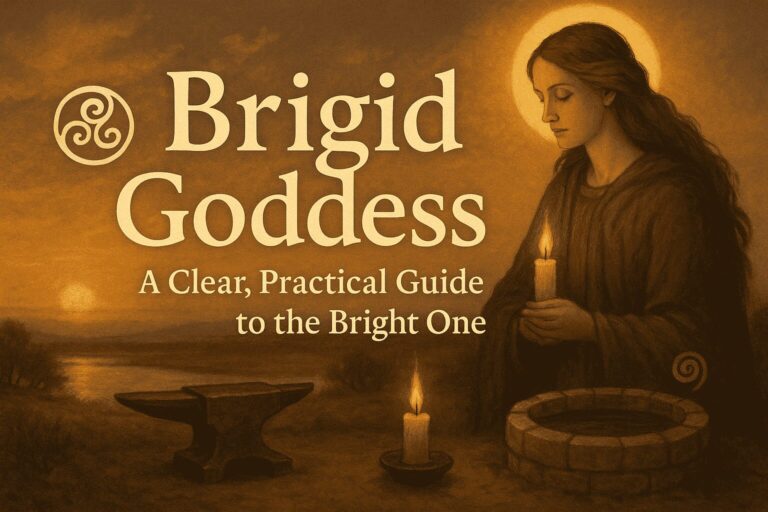
Brigid goddess – central to Celtic myth and Gaelic tradition – is a bright, many-sided deity. In early Irish lore she governs fertility and healing, inspires poetry, and guides the crafts of the forge and workshop. Brigid’s story weaves together…
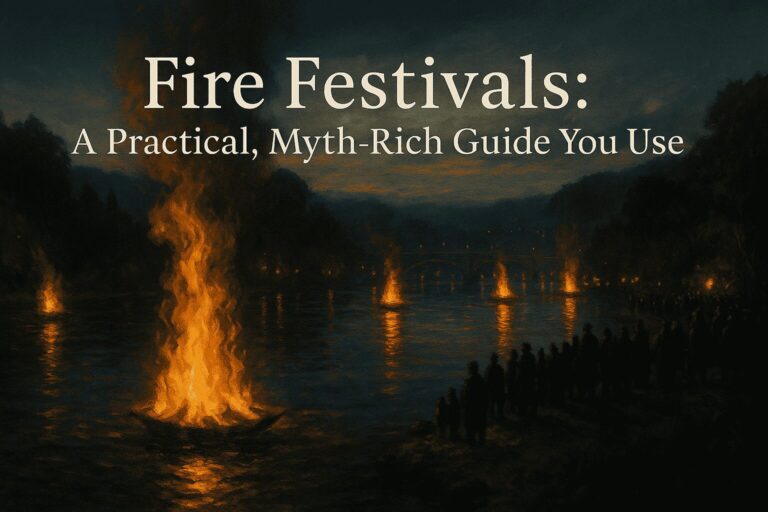
Fire festivals are cultural celebrations that involve the use of fire as a central element, often symbolizing purification, renewal, or the changing of seasons. These festivals can be found in various cultures around the world and typically feature rituals, performances,…
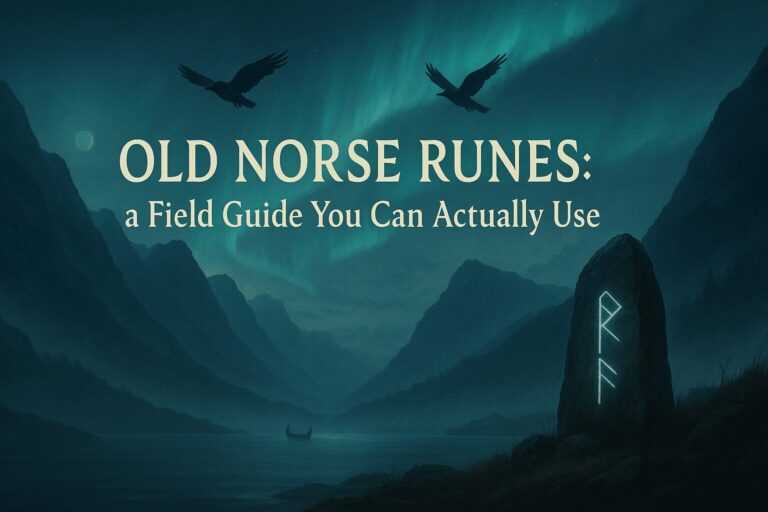
Old Norse runes are characters from the runic alphabets used by the Germanic peoples, particularly the Norse, from around the 2nd to the 8th centuries. These runes were not only a means of writing but also held significant cultural and…
Elder Futhark is the oldest form of the runic alphabets used by Germanic tribes, primarily in Scandinavia and parts of the British Isles, from around the 2nd to the 8th centuries CE. It consists of 24 characters, known as runes,…
Elder Runes, specifically known as the Elder Futhark, represent the oldest form of the runic alphabets used by Germanic peoples during the Migration Period, approximately from the 2nd to the 8th centuries. This writing system consists of 24 runes and…
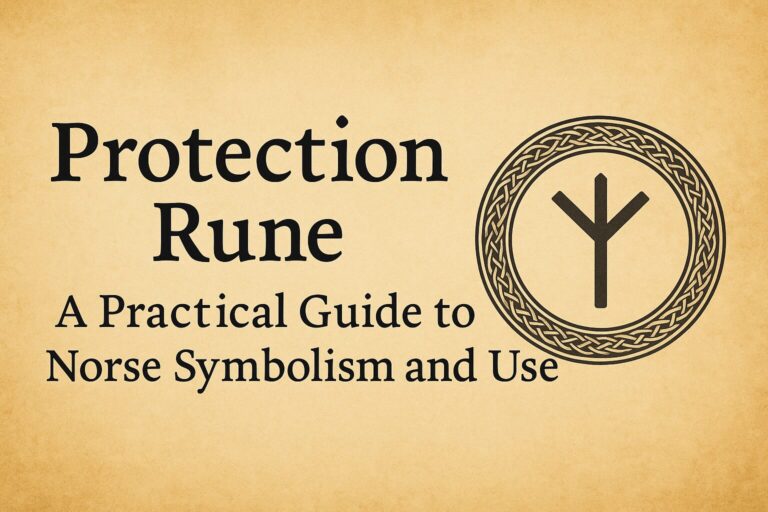
The protection rune is one of the most important symbols in the Elder Futhark runic alphabet. It embodies defense, safeguarding, and spiritual resilience. Its shape is often connected to the image of an elk’s antlers or a person with raised…
Rune stones are typically large stones or boulders inscribed with runic characters, primarily from the Viking Age. These stones served various purposes, including memorializing the deceased, marking territory, or commemorating significant events. The tradition of erecting rune stones began around…
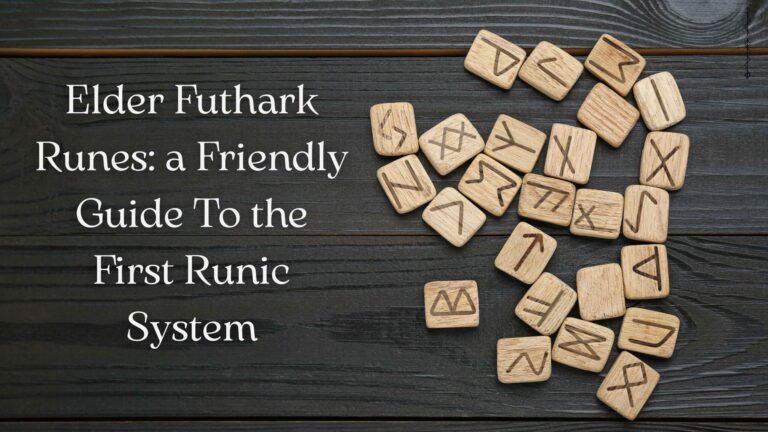
Elder Futhark runes are the oldest form of the runic alphabets used by Germanic tribes, particularly during the early centuries of the Common Era. It consists of 24 runes and is named after the first six letters: F, U, Th,…
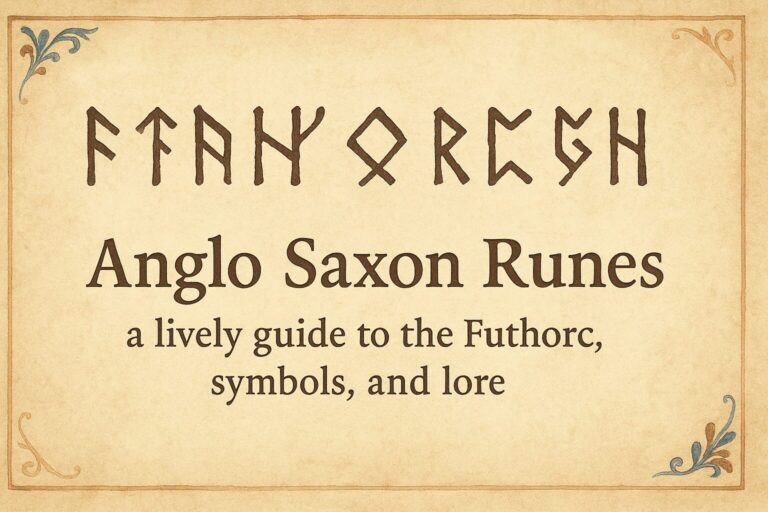
Anglo Saxon runes, also known as Futhorc, are a set of characters used by the Anglo-Saxons and early Medieval Frisians for writing in Old English and Old Frisian. This runic alphabet evolved from the earlier Elder Futhark and was adapted…
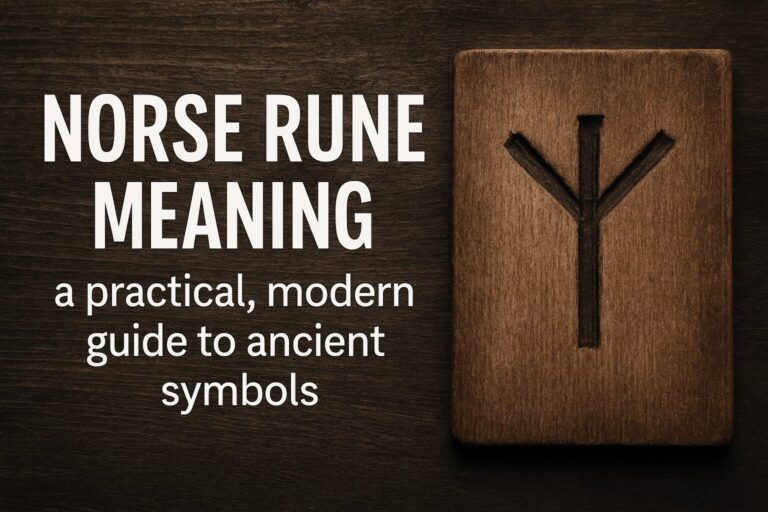
Norse runes meaning goes far beyond the surface of carved symbols. Originating with the ancient Germanic peoples, these runes were more than simple letters. Each one carried layers of significance, acting as a symbol tied to myth, ritual, and daily…