Physical Address
304 North Cardinal St.
Dorchester Center, MA 02124
Physical Address
304 North Cardinal St.
Dorchester Center, MA 02124

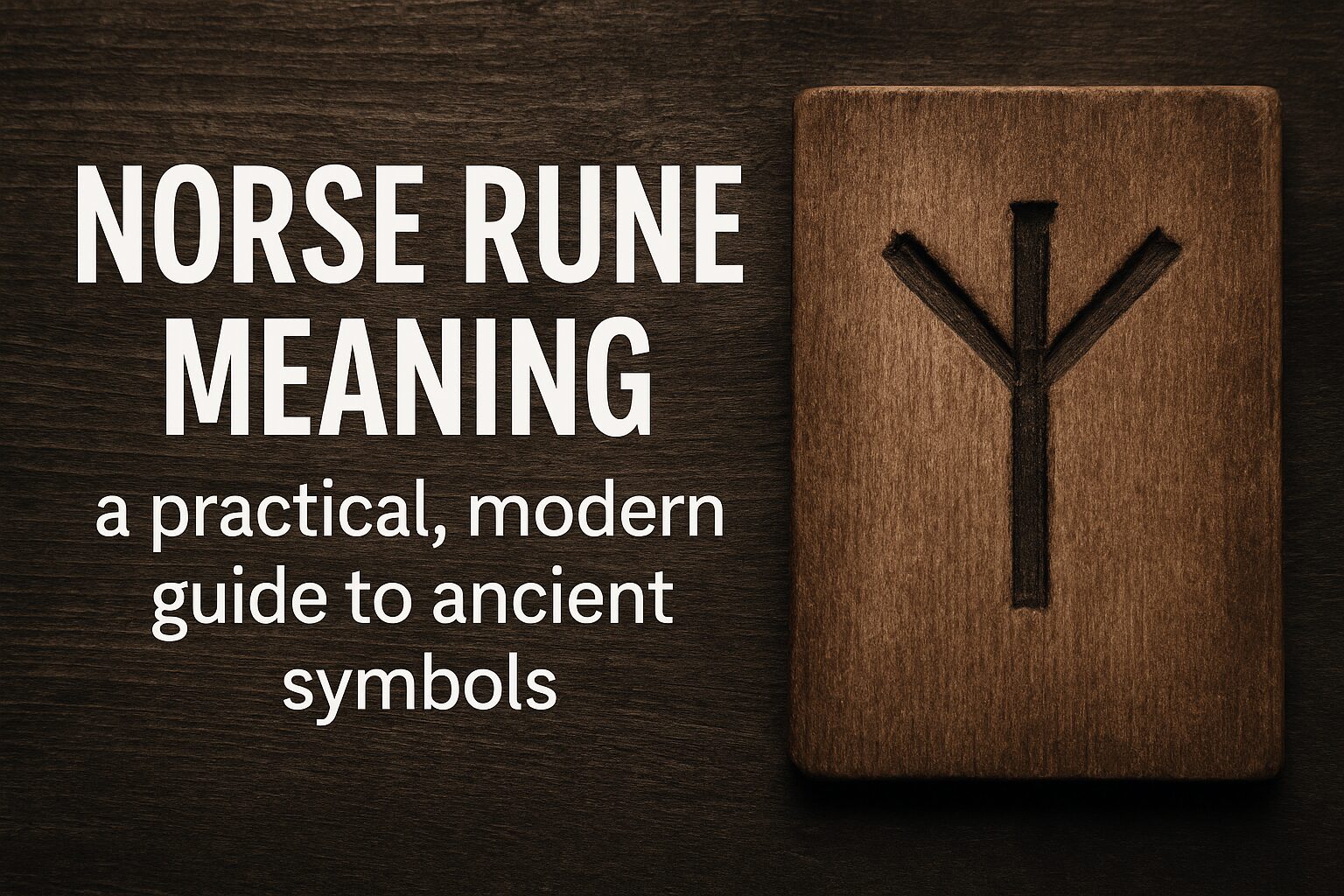
Norse runes meaning goes far beyond the surface of carved symbols. Originating with the ancient Germanic peoples, these runes were more than simple letters. Each one carried layers of significance, acting as a symbol tied to myth, ritual, and daily life. Used for writing, divination, and magical purposes, they reflected the beliefs, values, and worldview of the Norse and other Germanic tribes.
People search “norse runes meaning” because they want to decode those sharp, angular marks that keep showing up on stones, pendants, and tattoos.
At the simplest level, runes are letters. Each one carries a sound. At the same time, each rune holds a compact idea drawn from myth and everyday life – wealth, strength, travel, protection, and so on.
When you put both layers together, you get a system that works as an alphabet and as a toolkit for reflection, ritual, and decision-making.
That mix is why the topic “norse runes meaning” keeps pulling people in.
When people ask about norse runes meaning, they usually mean the Elder Futhark and the Younger Futhark. The Elder Futhark is older, with twenty-four runes used from roughly the 2nd to 8th centuries.
The Elder Futhark is the older, bigger set (24 runes). It’s great for learning meanings, journaling, and divination because each idea is laid out clearly and there’s more “vocabulary” to work with.
The Younger Futhark is the later, trimmed-down set (16 runes) used in the Viking Age on real-world stuff – runestones, names, trade, legal phrases.
Because it has fewer symbols, each rune has to cover more sounds and jobs, so it’s punchier but less beginner-friendly for meanings.
So, if you want to study what each rune means and use them in practice, start with Elder Futhark.
If you want to read Viking-age inscriptions or dig into historical usage, add Younger Futhark after you’re comfortable with the Elder.
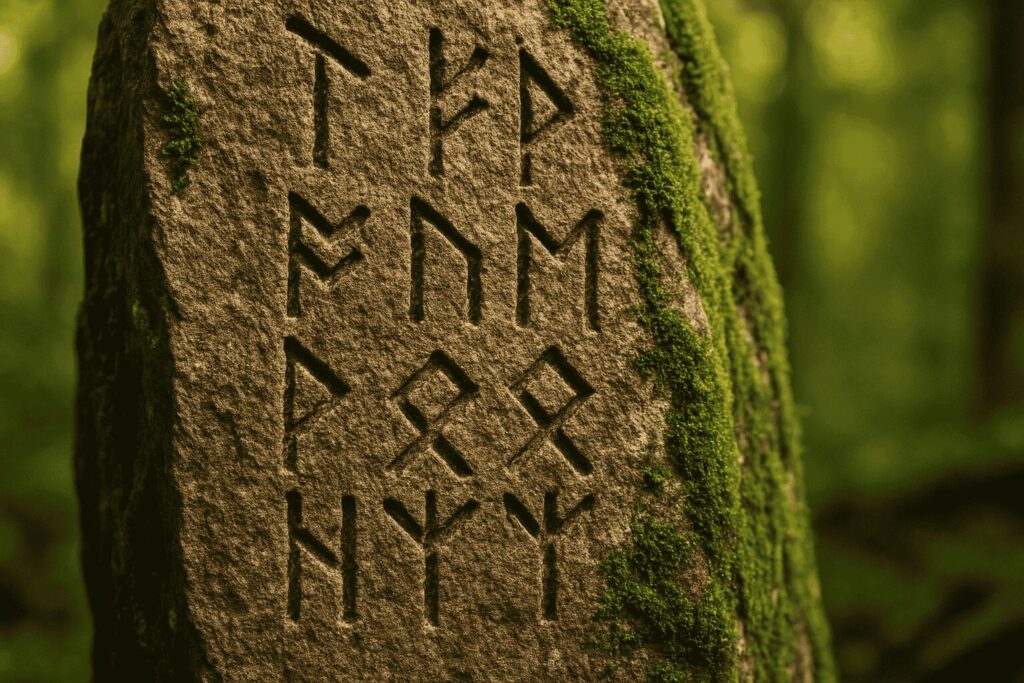
The lore says Odin discovered the runes by hanging on Yggdrasil, the World Tree, facing pain and revelation to “win” the signs. This story matters less as history and more as “attitude”.
It frames runes as earned insight. Consequently, the norse runes meaning tradition treats each symbol as more than just a letter.
Carvers used them on memorial stones, tools, charms, and boundaries.
Later, voices and breath entered the picture through galdr (chanting), while visual design grew through bindrunes (combining symbols for a focused intent).
Therefore, the same mark can label a spear, anchor a prayer, and organize a poem.
To make sense of norse runes meaning, it helps to meet several standouts from the Elder set. I’ll keep it simple, with enough detail to use them.
Fehu (ᚠ) speaks about movable wealth – cattle in the old world, cash flow in ours. It pushes value into circulation. Therefore, readings with Fehu often point toward income, gifts, or the need to unblock resources. Hoarding stalls the signal.
Uruz (ᚢ) is raw strength in motion. Think steady stamina, honest training, and real recovery. When Uruz shows up, take care of your body and rebuild your base – sleep, food, movement, and routines.
Thurisaz (ᚦ) is the thorn at the threshold. It can show up as conflict, resistance, or simply a pause that forces you to stop. Its message is to pay attention: strengthen your defenses, check if the timing is right, and move forward with strategy instead of brute force.
Ansuz (ᚨ) is the rune of breath and communication – the voice that carries meaning. It points to clear speech, honest guidance, and the wisdom of truly listening. At its core, it’s about the power of words used well: “the right message, spoken at the right time, can shift everything”.
Raidho (ᚱ) is the rune of the journey – both the literal road and the inner path. It speaks of travel, movement, and the rhythm that holds everything together.
When Raidho appears, it reminds you that progress doesn’t happen by accident. Make a plan, set milestones you can follow, and keep your pace steady.
Kenaz (ᚲ) It means insight, learning, and skill. When this rune appears, it’s telling you to bring light to what you don’t yet understand – study, train, or dig deeper.
It also pushes you to improve something you’re working on, whether that’s writing, building, or any creative craft. The message is clear: knowledge and practice will cut through the confusion.
Gebo (ᚷ) is the rune of the gift, and it’s all about balance in giving and receiving. It reminds you that real partnerships (whether in love, friendship, or work) depend on fairness.
If you give, give with honesty; if you receive, honor the exchange. When Gebo shows up, it’s time to check that commitments match contributions and that promises are being kept on both sides.
Its message is simple: healthy bonds are built on reciprocity and respect.
Wunjo (ᚹ) is the rune of joy and harmony. It’s about the deep sense of belonging that comes when things fall into place. Whether in a group, a friendship, or your own inner life.
When Wunjo shows up, it’s a reminder to celebrate small wins, share gratitude, and lean into what brings genuine happiness.
Its message is simple: joy creates strength, and harmony keeps the whole moving together.
Hagalaz (ᚺ) is the rune of the storm. It shows up when disruption is unavoidable – plans get interrupted, routines break, and you’re forced into damage control.
But storms also clear what no longer serves.
When Hagalaz appears, focus on protecting what truly matters, let go of what’s already weak or outdated, and be ready to rebuild in a way that’s stronger than before.
Nauthiz (ᚾ) is the rune of need. It shows where you’re pressed by limits – money tightens, time runs short, or habits demand discipline.
It’s message is focus.
Ask yourself what’s truly necessary, cut what isn’t, and let those boundaries sharpen your direction. “Out of pressure, clarity is born”.
Isa (ᛁ) is ice. It brings everything to a halt, like water frozen solid. This stillness can feel frustrating, but it’s here to help you slow down and see what really matters.
When nothing moves, you finally notice where your energy is leaking and what distractions you can cut. Isa also teaches boundaries – ice holds its shape, and so should you.
Use this pause to protect your time and space, to rest, and to prepare for when movement begins again.
Jera (ᛃ) is the rune of the year and the harvest. It shows how cause leads to effect – what you sow, you eventually reap.
This is the energy of patience and steady effort. Instead of chasing hype or instant results, Jera reminds you that real growth takes time.
When you work consistently and trust the cycle, the harvest comes in its season.
Eihwaz (ᛇ) means backbone, endurance, and standing firm. It shows up when you need to hold your ground instead of folding. Life will test you, and this rune is the reminder that pressure doesn’t have to break you – it can train you.
Applied to life, Eihwaz tells you to stay patient through struggle. If you’re facing stress, conflict, or setbacks, don’t rush to escape.
Breathe, straighten your posture, and keep to your path. Use the pressure as practice for resilience. Each time you hold steady, you grow harder to knock down.
Perthro (ᛈ) is the rune of chance and hidden patterns. It reminds you that life always holds uncertainty – you don’t see every factor, just like you don’t see the dice until they fall.
Use both reason and intuition when making choices, and don’t freeze because the future isn’t guaranteed.
Act with fortitude, and trust that you will learn the lesson you need to learn, and things will work out.
Algiz (ᛉ) is the rune of protection. Like the elk raising its antlers, it creates a strong boundary that keeps harm away.
This rune asks you to guard your energy, make your limits clear, and be smart about the risks you take.
In daily life, Algiz is the reminder to protect your space – say no when needed, stay alert to your surroundings, and choose paths that keep you safe.
Sowilo (ᛋ) is the rune of the sun. It brings clarity, direction, and the confidence to move forward.
When this energy appears, trust the path that feels lit up and alive. Follow where momentum flows, and make note of your progress.
Every win, no matter how small, keeps the light burning and carries you further.
Tiwaz (ᛏ) is the rune of justice and courage. It calls you to act with honor, aim straight at your goals, and stand up for what’s fair.
This rune teaches that integrity sometimes requires sacrifice – letting go of ego or convenience – to protect your deeper principles.
In daily life, Tiwaz asks you to choose the path that keeps your word clean, even when it’s harder.
Berkano (ᛒ) is the rune of growth and nurturing. It shows that new things (whether a project, a relationship, or personal change) need care and protection to develop.
This rune reminds you that rest and nourishment are also necessary for a balance. In daily life, Berkano asks you to protect what’s young and fragile, give yourself time to recover, and treat rest as fuel for lasting growth.
Ehwaz (ᛖ) is the rune of partnership and trust. Like a rider and horse, it shows how honest cooperation expands your reach.
This rune teaches you to move in step with others, set clear expectations, and share responsibility.
In daily life, Ehwaz is the reminder that real growth comes through trust and teamwork – you go further together than you ever could alone.
Mannaz (ᛗ) is the rune of humanity, the self and the tribe. It calls you to understand yourself honestly while staying aware of your place in the community.
This rune teaches clear self-knowledge, respect for others, and the wisdom to see through personal bias. In daily life, Mannaz asks you to examine your role with a level head and to build healthier connections through honesty and self-awareness.
Laguz (ᛚ) is the rune of water, emotion, and intuition. It teaches you to trust the flow of your inner voice and let feelings guide you like a current.
At the same time, it warns that without boundaries, emotions can overwhelm.
In daily life, Laguz asks you to listen to your intuition, move with the flow instead of forcing control, and set limits so you aren’t swept away by your own feelings or those of others.
Ingwaz (ᛜ) is the rune of the seed. It holds power in a contained state, showing that something is ready but waiting for the right time to emerge.
This rune teaches patience with timing. Let things end fully, allow your energy to build, and wait for the right moment before starting something new.
In daily life, Ingwaz is the reminder to prepare, finish what’s closing, and trust that when the moment is right, your effort will break through.
Dagaz (ᛞ) is the rune of daybreak. It marks sudden clarity, the moment when a shift in perspective opens new possibilities.
This rune asks you to notice the thresholds in your life, moments of change, endings that lead to beginnings,and treat them as opportunities for transformation.
In daily life, Dagaz reminds you that even a small change in how you see things can unlock a new path.
Othala (ᛟ) is the rune of inheritance and home. It calls you to honor the land, memories, and legacy you’ve received, and to care for them wisely.
This rune reminds you that what you hold is not just for you – it’s something to protect, improve, and pass on.
Othala asks you to respect your roots, tend your responsibilities, and leave what you touch better than you found it.
These notes won’t teach you everything, but they give you a clear starting point. Use them to remember what each rune means and to keep your practice simple and useful.
If you’re just starting out, draw one rune a day. Keep a small notebook. Write the rune’s name, the time you pulled it, and a quick note about how it connects to your day.
Over time you’ll start to see how rune meanings show up in everyday life – traffic jams, emails, workouts, even money decisions.
For bigger questions, pull three runes: Past, Present, and Guidance. For example, Kenaz, Raidho, and Tiwaz together might mean: ‘Learn your craft, plan your path, and stick to your values’.
But if Hagalaz shows up with Isa and Jera, it could mean: ‘A disruption is here, so pause, stay calm, and trust the longer cycle’.
Some people read runes upright and reversed, like tarot cards. Others don’t. The old rune carvings didn’t really have a clear way to show reversals, so it’s optional.
If you like, you can treat a face-down rune as its ‘shadow side’, meaning it points to caution or inner work. The key is to pick one method and stick with it, so your readings stay clear.
There are two simple ways to go deeper with the runes. One is bindrunes – combining two or three runes into one design.
For example, Algiz + Raidho can mean protection on a journey, while Kenaz + Ansuz can mean clear communication. Keep the design simple so the meaning stays sharp.
The other is Galdr, which means chanting. You repeat the sound of a rune out loud to steady your breath and focus your mind.
This way, your body and nervous system join the practice. Short, high with intent rituals like these are powerful, and much easier to keep up and incorporate into your daily schedule.
Runes have power, and using them comes with responsibility. If a reading points to waiting, don’t try to rush things.
If it points to truth, be honest in how and who you share it with.
Respect people’s privacy – always ask for permission before reading for someone else – and keep your journal safe.
A simple code of ethics keeps your practice clean and lets you focus on the work itself.
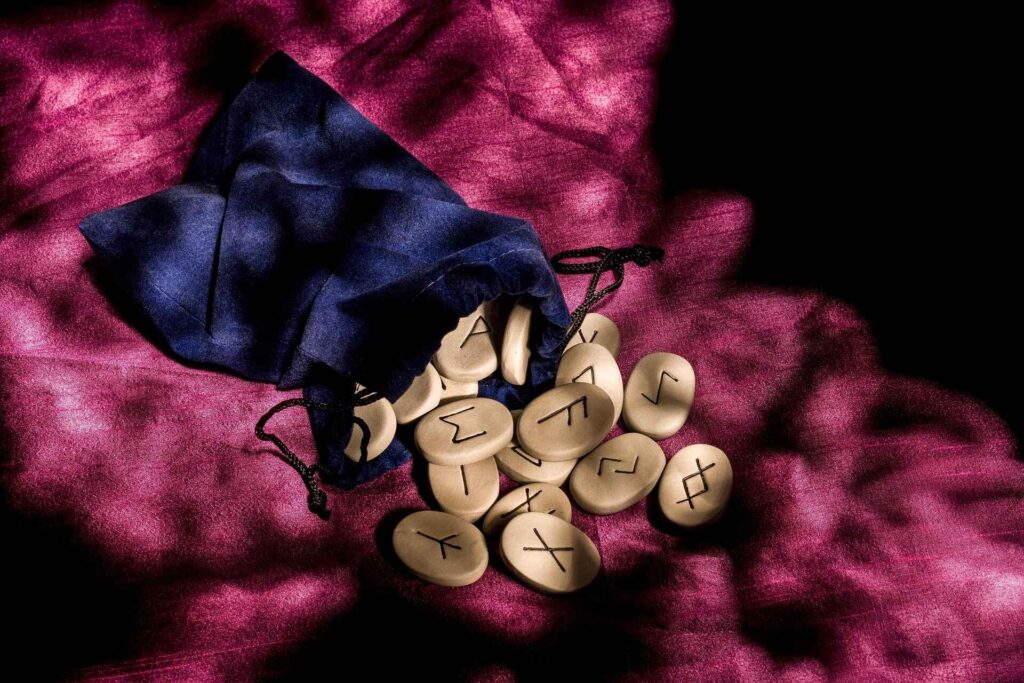
You don’t need an expensive rune set.
What matters is that it’s clear, durable, and feels good in your hands. A simple wooden set feels warm, while stone feels solid and grounding.
Most important is legibility – you should be able to read the runes at a glance. A basic Elder Futhark set is perfect for starting out and practice with ease.
Say you’re planning a move.
You pull Algiz, Raidho, and Othala.
Algiz reminds you to protect yourself – get documents in order, back up files, and keep health routines steady.
Raidho points to the journey – plan your route, test your timeline, and handle the travel details.
Othala turns your mind to home – think about what ‘home’ means for you and choose a place and habits that support the life you want.
The runes don’t make the decision for you, but they highlight what matters so your choices become clearer.
When we talk about norse runes meaning, we’re really talking about three things: sound, symbol, and story.
The sound links the rune to language and speech. The symbol gives it a clear idea you can spot in daily life. The story ties it back to myth, giving it depth and meaning.
The best way to learn is step by step. Start by learning the names and sounds. Memorize the core meaning of each rune. Test them in a journal – pull one rune a day, write what it means, and notice how it shows up in your life.
As you get comfortable, move slowly into more practice. Try three-rune spreads, make simple bindrunes, or chant a rune (Galdr) to focus before work or sleep.
Review your notes often. You’ll notice patterns: Fehu showing up during money talks, Kenaz when you’re studying, Laguz on emotional days.
At that point, rune meanings stop being abstract. They become a language woven into your daily life. Treat it like a craft – steady, honest practice.
The runes only come alive if you live with them. Do that, and this old alphabet turns into a reliable guide that speaks in sharp, clear signals you can use every day.