Physical Address
304 North Cardinal St.
Dorchester Center, MA 02124
Physical Address
304 North Cardinal St.
Dorchester Center, MA 02124

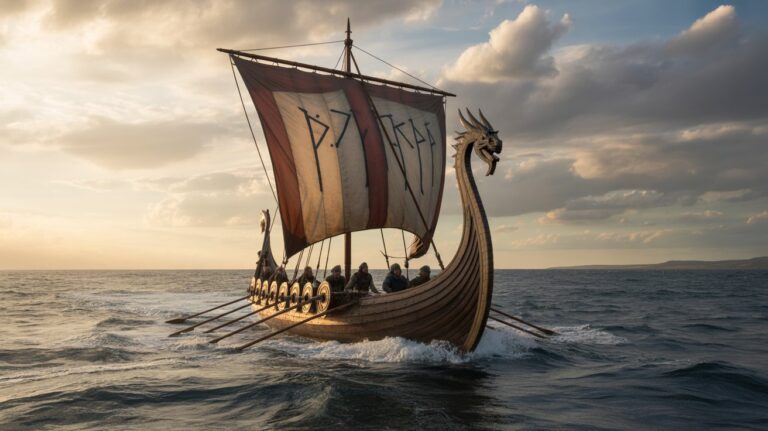
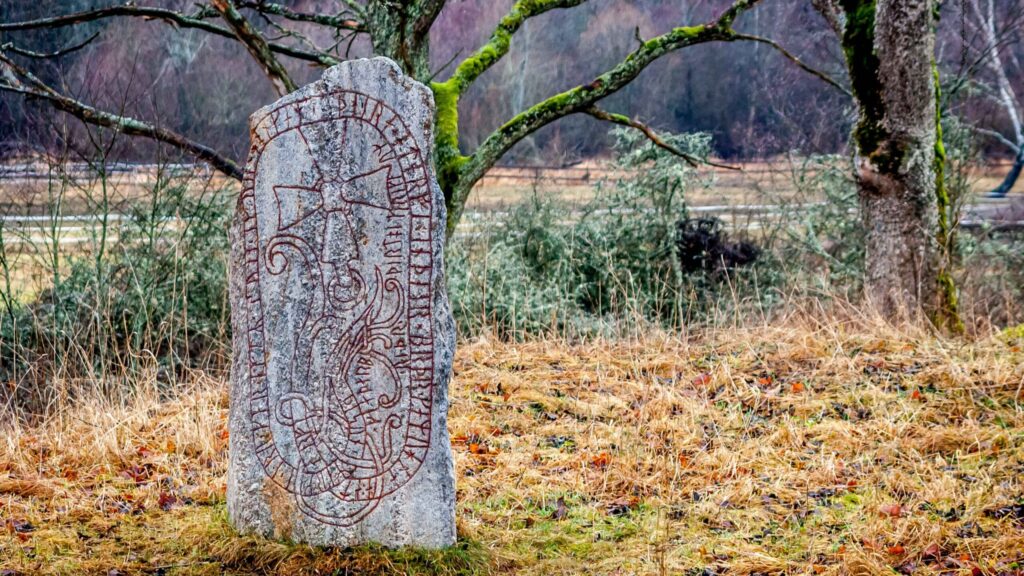
Rune stones are typically large stones or boulders inscribed with runic characters, primarily from the Viking Age. These stones served various purposes, including memorializing the deceased, marking territory, or commemorating significant events. The tradition of erecting rune stones began around the 4th century CE and continued into the 12th century, with the majority dating from the late Viking Age.
People usually come to rune stones for two reasons. Some want to understand the carved monuments that still stand across Scandinavia.
Others want to learn how modern rune sets can be used for reflection and guidance.
Therefore, this article gives you both: a clear sense of what rune stones meant in their time, the basics of how to read them, and where Viking Age rune stones fit into the bigger story.
The phrase rune stones can mean two different things.
Historically, it refers to the large standing stones carved with runes – memorials, boundary markers, or public records.
These are the Viking Age stones still found in fields and museums across Sweden, Denmark, and Norway.
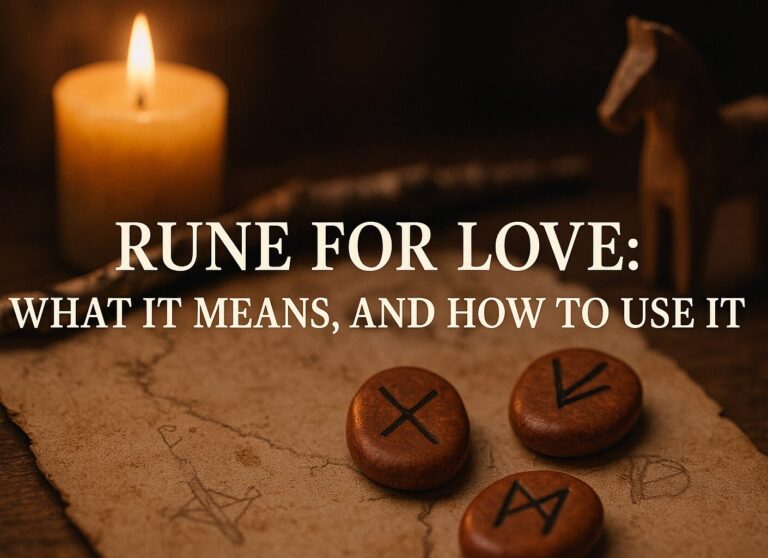
Today, the same phrase is also used for the small hand-sized stones people use for study or divination.
The purposes are different, but both connect back to the same runic alphabet – a script built for carving that recorded names, claims, and values.
To keep it clear, I call the historical ones monument stones and the modern sets casting stones. That way it’s easy to tell when we’re talking archaeology and when we’re talking practice.
In the late Iron Age and Viking Age, families raised rune stones to honor loved ones or record achievements.
Most were carved in the Younger Futhark – the shortened runic alphabet of sixteen signs. Once you learn the shapes, you can read it easily.
The messages often tell you who commissioned the stone, who is remembered, and sometimes even note a road or bridge built for the community.
Earlier inscriptions from the Migration Period tend to use the Elder Futhark with its twenty-four signs, but the tradition of large public monuments really flourished in the Viking Age.
So when you see tall stones with ribbon-like beasts and neat lines of runes, remember: you’re looking at a public record carved in stone, not the traces of a secret cult.
For modern use, rune stones are often made from pebbles, slate, or wood. Smooth stones with a matte finish work best – they’re easy on the eyes and reduce glare.
The symbols should be cut or painted with strong contrast so they’re clear at a glance.
When choosing a set, test it in your hand. Tilt it under the light, hold it at arm’s length. If you can’t read the rune easily, it’s not the right set.
Think about storage too. A simple linen pouch and a small cloth give you a consistent setup every time. Pair that with a notebook to track your pulls, and patterns will start to show themselves over time.
When people ask about the meaning of rune stones, they usually want the core ideas behind the individual symbols. Each rune carries both a sound and a concept rooted in early Germanic life. Here are the essentials from the Elder Futhark:
Even a simple three-rune draw can frame your week’s priorities (clarify, plan, and act) without any theatrics.
People often ask about Norse runes of protection. Algiz is the classic starting point.
Picture an elk with raised antlers, a hand held up, a clear boundary of watchfulness. But protection is rarely one-dimensional.
Algiz can be paired with Tiwaz when ethical action is part of the defense, or with Raidho when the focus is safe travel.
The key is simplicity. Keep the design clean and readable – a cluttered sigil protects nothing. And remember, runes work best alongside practical habits: good locks, digital backups, safe routes.
Combine those with clear intent, and you’ve built the strongest shield possible.
Technique matters, and to keep rune stone reading simple, here’s a three-step method that takes about ten minutes and grows with practice.
First, set the frame. Ask a clear, actionable question, such as: ‘What should I focus on in training this week?’ or ‘Where is the weak link in this plan?’ By narrowing the focus, you avoid vague or open-ended interpretations.
Next, draw one to three rune stones. For a single draw, note the rune’s name, the time, and one sentence about how it connects to your day.
For a three-stone draw, use the pattern Context / Current / Guidance. In addition, keep your language specific. Writing ‘Kenaz → polish the draft today’ is far better than ‘Kenaz → mystery creativity’.
Finally, close with a decision. Translate the reading into one action you can take within 24 hours. As a result, you create a feedback loop that strengthens judgment over time.
If the process ever feels noisy or overwhelming, return to single-rune draws. In practice, simplicity often restores clarity.
I follow a simple code. Never read for someone who hasn’t asked. Keep the questions practical instead of chasing drama. Treat journals and photos as private, and state the limits of the method upfront.
Moreover, it’s important to remember that rune work is about organizing attention, not replacing medical, legal, or financial advice.
Keeping that boundary clear protects both the practice and the people involved.
It helps to root modern rune draws in the old carved stones. Viking rune stones, for example, record names, places, and deeds with striking economy.
At the same time, the shapes you see on those monuments are the very same ones you hold in a pouch today.
As a result, history stops being an abstract timeline and turns into context for practice.
You begin to see why themes like travel, honor, wealth, storms, and boundaries mattered to the people who raised those stones – and why they still matter now.
Progress with runes comes from consistency. Start small: take seven minutes each morning.
Lay out a cloth, draw one rune stone, and jot down six quick notes – the date, the rune’s name, three associations, and one action you’ll take that day.
At night, add a single line on whether you followed through. Then, on Sunday, review the week.
Patterns show up fast: Fehu around invoices, Kenaz on study days, Laguz before tough conversations. As a result, your readings shift from guessing the future to sharpening your focus.
If you want a weekly spread, keep it light. On Monday, pull three stones for Aim / Obstacles / Leverage.
On Friday, add one more for Closing Effort. Because the structure is simple, you’ll actually use it instead of putting it off.
People often ask what they actually need to get started.
The truth is, you don’t need anything fancy – just a clear set of rune stones you can read easily and a guide that gives you the basics. A good kit saves you from the guesswork and lets you focus on practice.
If you want a reliable starting point, this set is a solid choice: smooth, legible stones paired with a compact handbook that includes tables and photos.
Beginners often try to do too much at once. For example, pulling lots of stones doesn’t bring more clarity – it usually just adds noise and confusion.
Instead, stick to one or three until your notes show a steady rhythm. The same goes for memorizing: don’t cram endless keyword lists. Rather, learn the short core meaning and connect it to one real-life example you’ll actually remember.
When it comes to materials, choose clarity first. Smooth, legible runes will get used; exotic but unreadable ones will just sit in the drawer.
Finally, if you feel stuck, spend a week with the artifacts. Read an inscription out loud, trace the shapes, then draw a single stone for reflection.
Writing how the old line influences your pull anchors you in history and keeps the practice simple instead of overwhelming.
Can I use rune stones with other reflective tools?
Yes, but give them space at first. For the first month, use only the runes so you can see clearly how they work on their own. Later, you can combine them with other practices if you want.
Do Norse runes of protection work as tattoos?
They can. A rune tattoo can act as a signal of intent and a reminder of your boundaries. However, do your research first – learn the meanings, look at traditional designs, and understand the cultural context before you commit to ink.
Are colors important on painted sets?
Not really. In fact, contrast matters far more than hue. Choose whatever colors make the runes easy to read, even in low light.
To work well with rune stones, you need three things: a clear sense of what they are, a method you can repeat, and a routine you’ll actually keep.
History shows how inscriptions once carried deep meaning and law, while practice shows how even a small draw can sharpen your choices today.
In addition, a simple kit and a modest code of ethics protect the work from confusion.
If your questions stay actionable and your notes stay honest, rune readings grow into a quiet, reliable habit.
As a result, you begin to trust the process – whether you’re learning the meaning of rune stones, practicing techniques for reading them, or exploring the legacy of Viking rune stones in the landscape.
I keep the ritual short because life is busy: lay the cloth, draw, write, and then act. After a few weeks, the symbols stop feeling abstract.
They start to read like clear advice you’ve given yourself – grounded, steady, and easy to use in the rhythm of a modern week.